UT as its known was celebrating New Year in great form. The water was refreshing in the daytime sun and evening heat. However there was no getting away from the soaking every time you go out. Again that’s OK unless you don’t want to sit in a resteraunt, dripping wet.
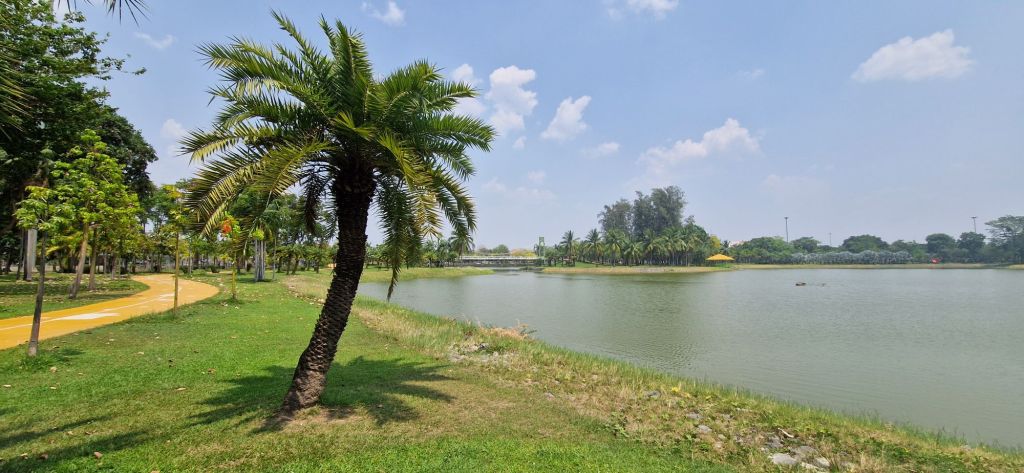

In all I stayed 4 nights in UT as it was a national holiday and some places remained closed. Most of the time I walked the local area, getting refreshing showers of water and talc smeared on my face. It was all such good natured fun, but by day 4 it was wearing thin. I’d had to get my laundry done again to remove the talc and smell of stale water. There was a large market most days and a huge air conditioned shopping centre that remained open.
The next place I wanted to visit should have been the first place I went having left Bangkok but I didn’t know that back then. Now it was 660km away, 2 or 3 days just to get there. Then 2 days there and maybe two days back to the hire shop, 7 days in total and I only had 5 days left on Reds rental. Another quick message to the rental company and Red was mine for an extra 3 days.
The journey was going to be by the fastest route, starting early. At 7.30am I checked out of the Udon Hotel and headed through the, now quiet and dry, streets. Stopping at PTT to top up on fuel and coffee. Out of the city the roads were straight and purposeful, just a means to move people and things as directly as they could. I was making good progress, cruising at 100kmh. There was nothing to see of note and a lot to concentrate on.

The sun was doing its best to burn me and before long, I was stopped at the roadside, putting on my long sleeve shirt and scarf. Dowsing it all with water, including my hair. If I could get 300km done today that would be great. I stopped again, each stop losing riding time but absolutely necessary. Rehydrate, ride, repeat. The repeats got more frequent as morning turned to afternoon. I found that often the staff car parks at the rear of the coffee shops have covered parking whereas customer parking was open. I was sneaking into staff parking more often. It was time to find a hotel and the Sweet Home Resort at Sing Buru was it.

It was again just a room to sleep, after all I had managed 400km today. I’d not eaten at all and finding somewhere to eat was impossible. I’d just left it too late, during the Songkran festival everywhere closes early. I did get a basic breakfast the next day and topped that up with a good coffee and orange juice. Ready to hit the road again. Only 159km to go, it was 7.30am, so I headed with bottles of water stashed in the bike.
One quick detour to see the biggest Buddha in Thailand

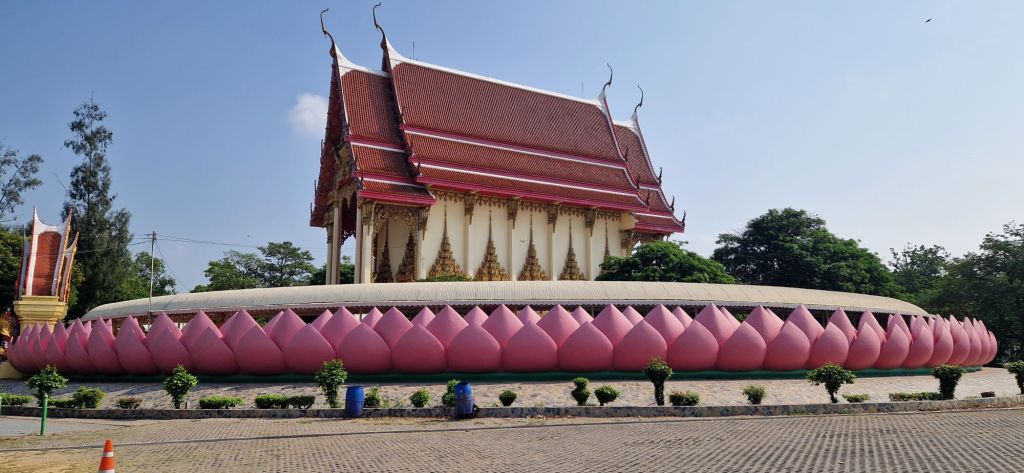
That done I had to crack on, every day my phone had extreme heat warnings flash up. I can only assume that’s a feature of running a Thai sim card. If that wasn’t enough, if I stopped the phone would drop into night mode as it was overheating. Sometimes it would say stay on this road for 50km and I could turn it off to try and cool it.
It was 1.50pm as I rolled into Kanchanaburi and to the very nice Modeva Hotel. The room wasn’t ready but I wasn’t heading back out. It was only a ten minute wait, before I was granted access and the cool shower I needed so badly. I was really happy to have made it.
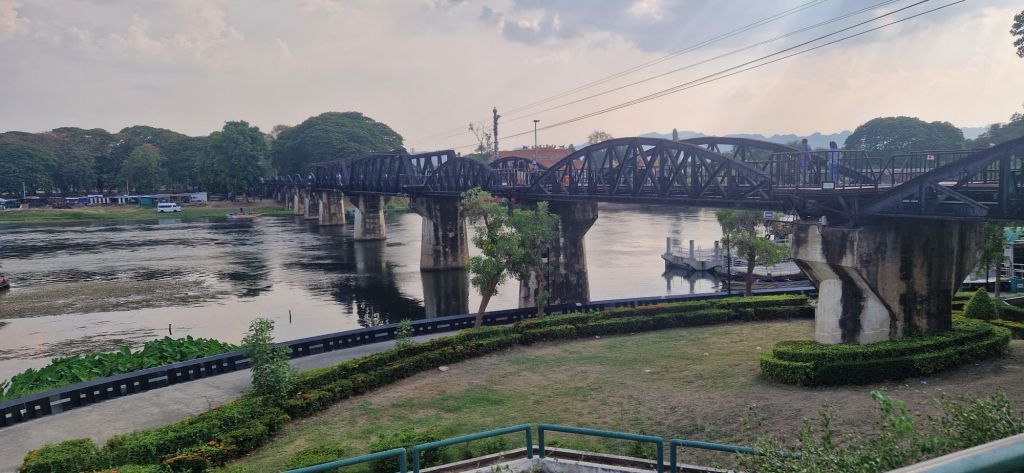
I was here to see a structure that spans the Mae Klong waters. The steel bridge number 227. It carries a railway line. That railway runs from Malaya to Myanmar. However the names I have given so far, although true, hide the identity as we know it. The railway line is better known as the death railway, the river is the Kwai Noi and that bridge is ‘The Bridge On The River Kwai’, one of two built by prisoners of war.
At about 4.30pm with sunset imminent, I took a walk to the bridge. Now this bridge is not the famous one from the film, that was a wooden trellis bridge some 200m south of here. But this bridge was equally interesting as it was also built by POW’s but the main steel structure was a bridge much further south that was dismantled and shipped here to be placed on the piers built to support it. Originally, all the sections had curved spans, but after allied bombing the centre was replaced with locally built square sections.
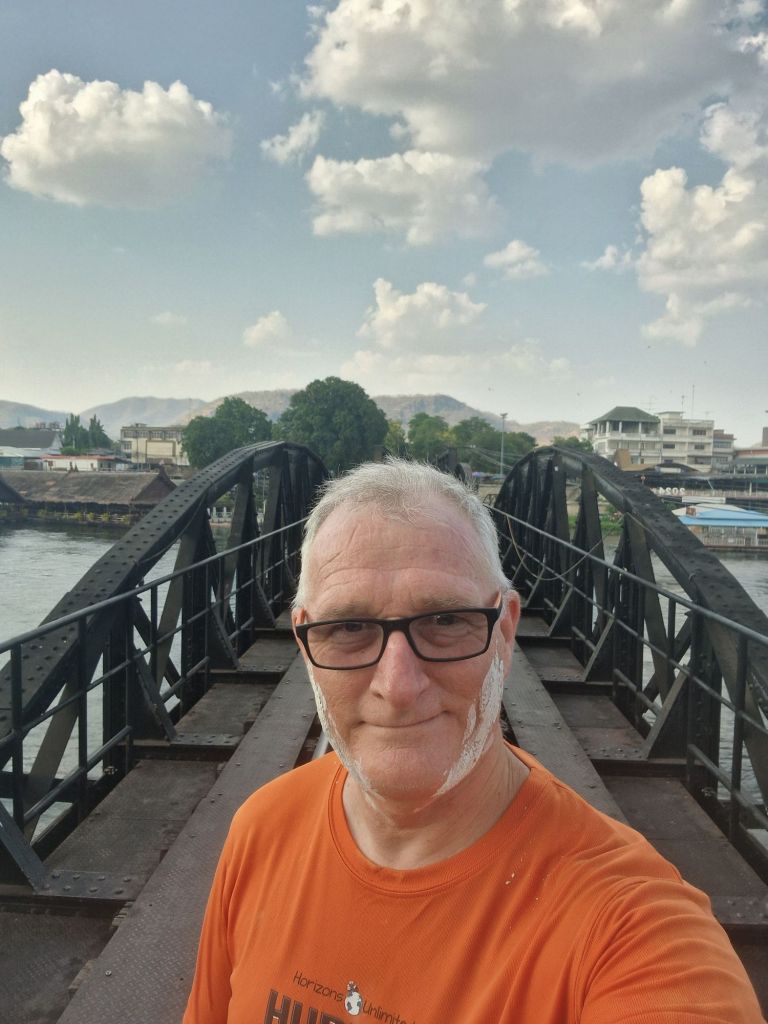
It was time to eat, in my soggy clothes, again.
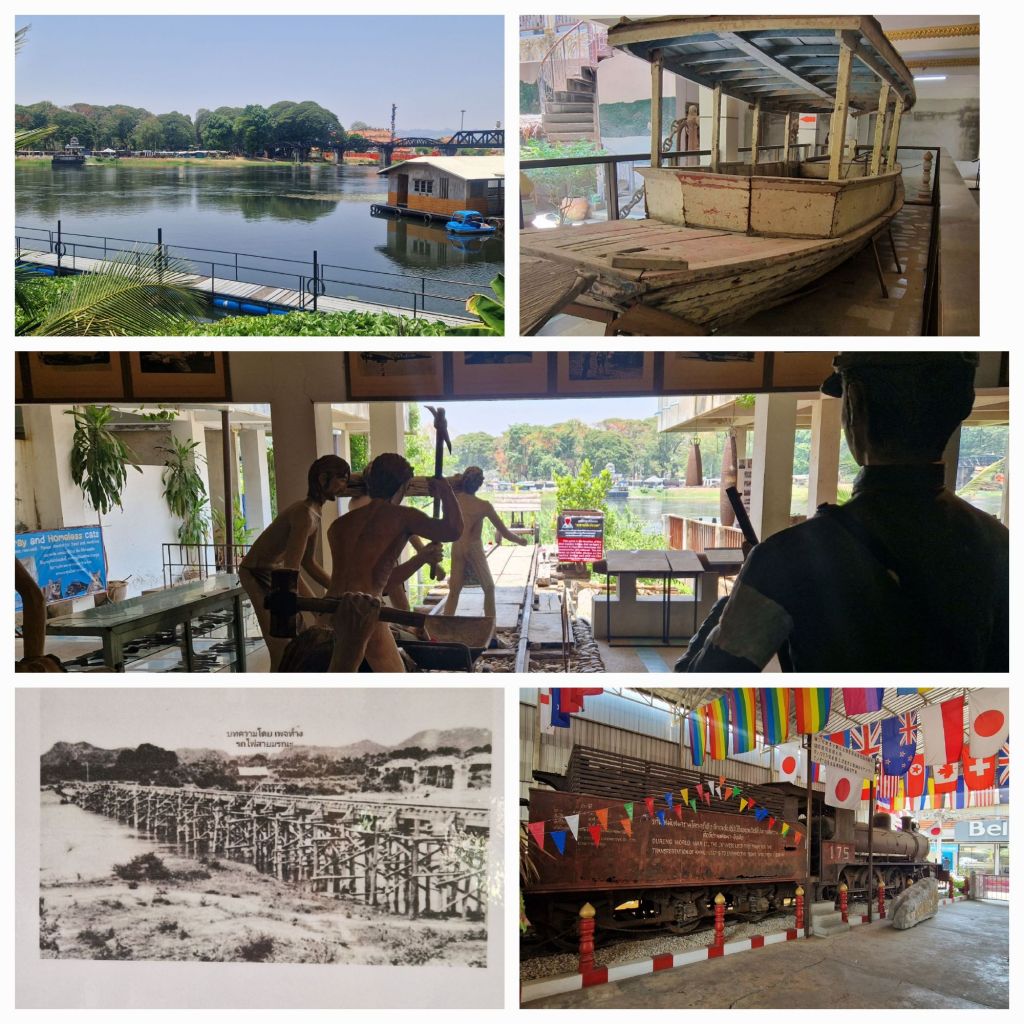
Next day I was off to the museum at the site of the original wooden bridge
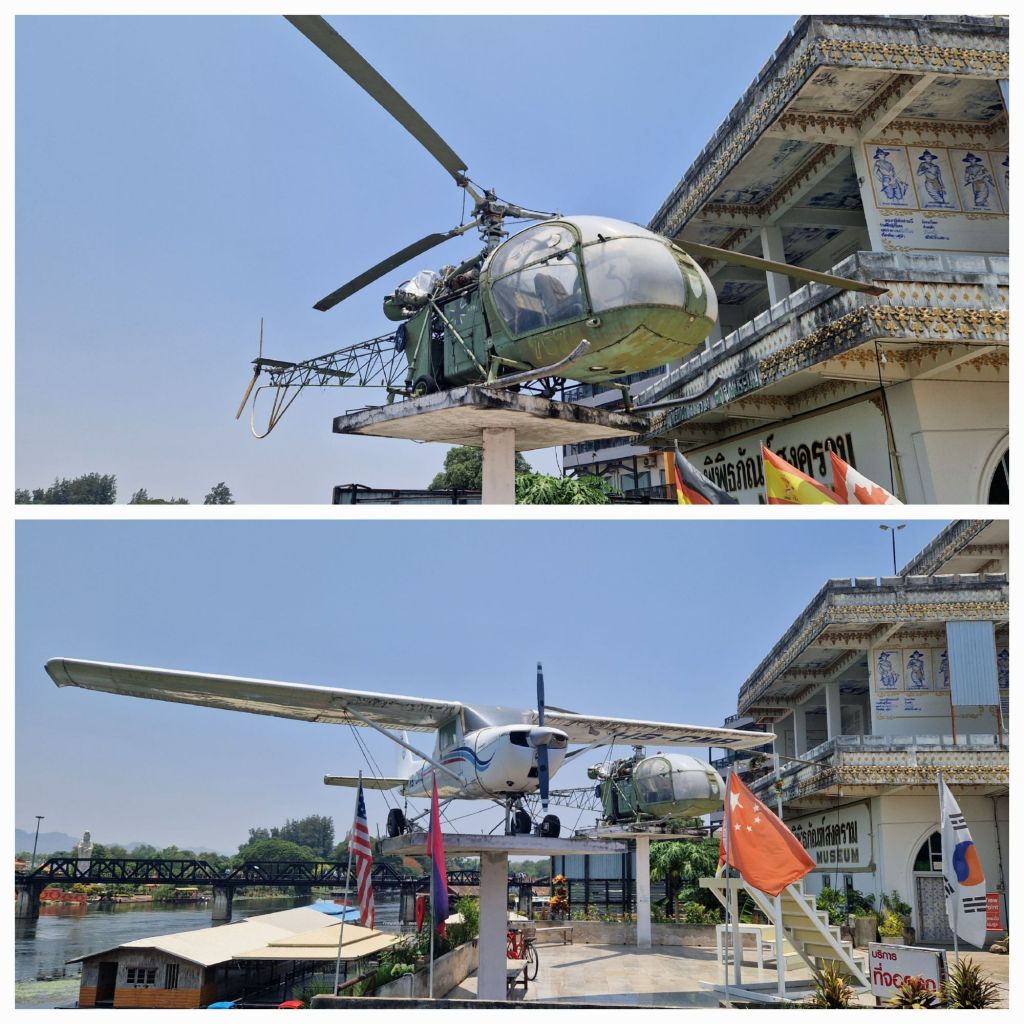
I’ve tried to research these two but the helo’ had no markings other than a German cross and 7574 and the Cessna just a Chiang Mai flying club tail marking. Subsequently I seem to have found these are parts of the art gallery not war museum.
Walking through the museum I started to get a feel for the conditions the POW’s had endured. I have previously read The Railway Man and that gives graphic depictions but here there were photos and more first hand tales.
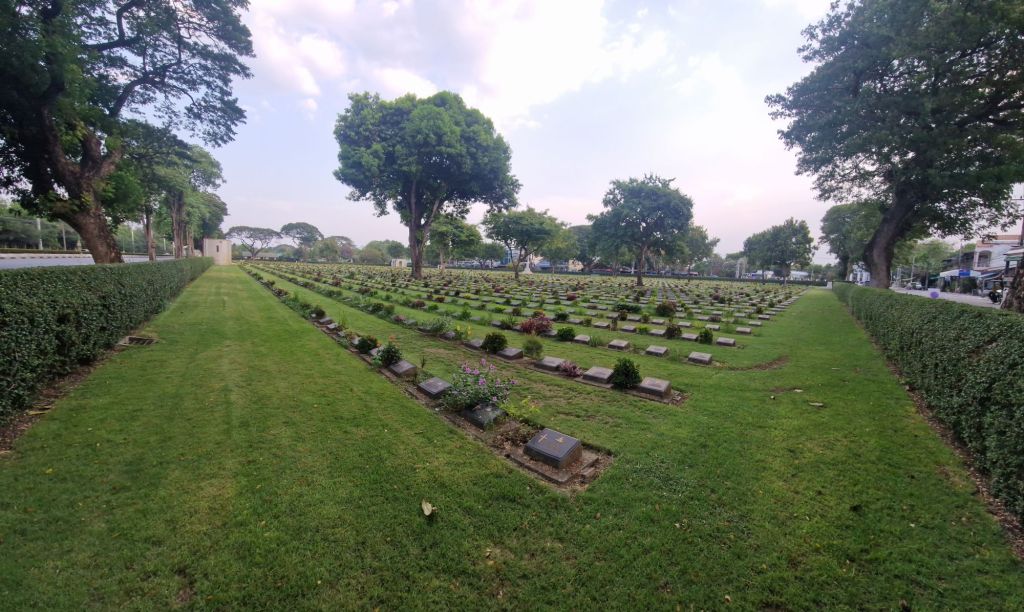
The war cemetery is one of three, my story jumps a bit here, but subsequently I found out that all but 50 bodies of the thousands buried along the railway were recovered. Nearly 7000 men are buried here and one woman. I learned about Phoebe Mercer from a War Graves Commission website. She was a member of the Women’s Royal Volunteer Service. During WW2, she applied to help out in the war effort in Burma. Initially, she literally built and ran a canteen for servicemen on their way to the fighting. However, after the war, she remained to help repatriate POW’s. She was, for some, the first woman they had seen for years, most had difficulty in adapting to the freedom they now had. Tragically Phoebe died in a car accident nearing the end of her tender. It was felt that her work in helping POW’s adjust to civilian life, earnt her a place in the cemetery. However despite the headstone, records of her burial place were never completed so the war graves commission, had to say they didn’t know her burial place, until Nov 2012 when an American noticed the grave and did some digging around to eventually notify the WGC of the location.

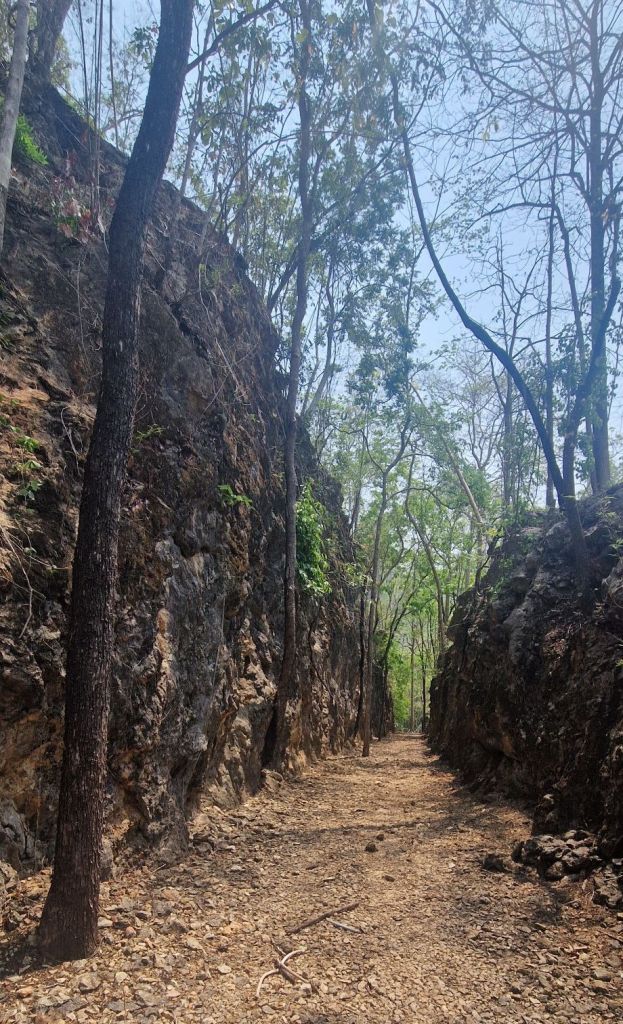
The next morning I was off to Hell Fire Pass. It was about an hour up the road and would include a long walk. So I set off at 7am to avoid the sun. I had to stop en route for coffee. After quite a prolonged stop I arrived at the Hell Fire Pass remembrance center. A very modern building and museum paid for and maintained by the Australian Gov’t. The museum tells of the POW’s long trip from Singapore to help build the passes through the mountains.
As the need for the railway increased so did the working day and a period known as ‘Speedo’ was introduced whereby the engineers pushed the POW’s harder than ever.
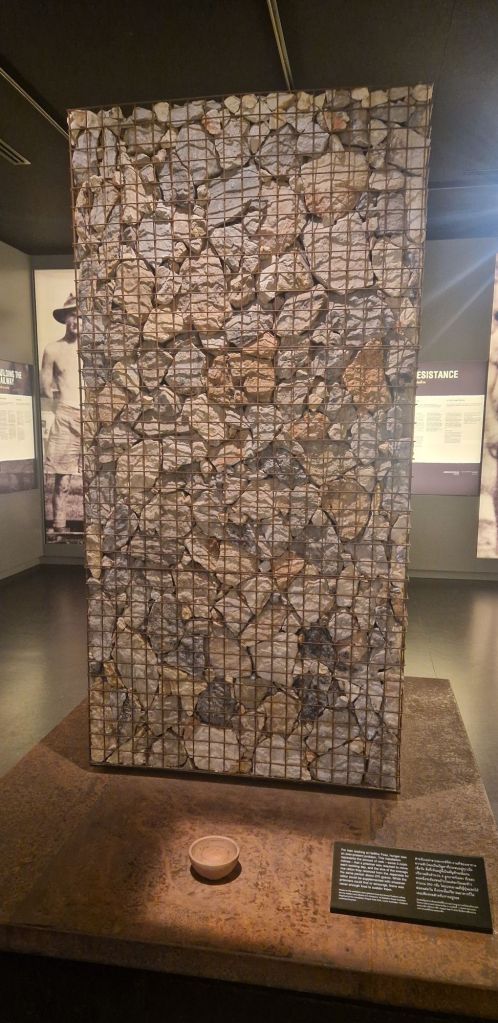
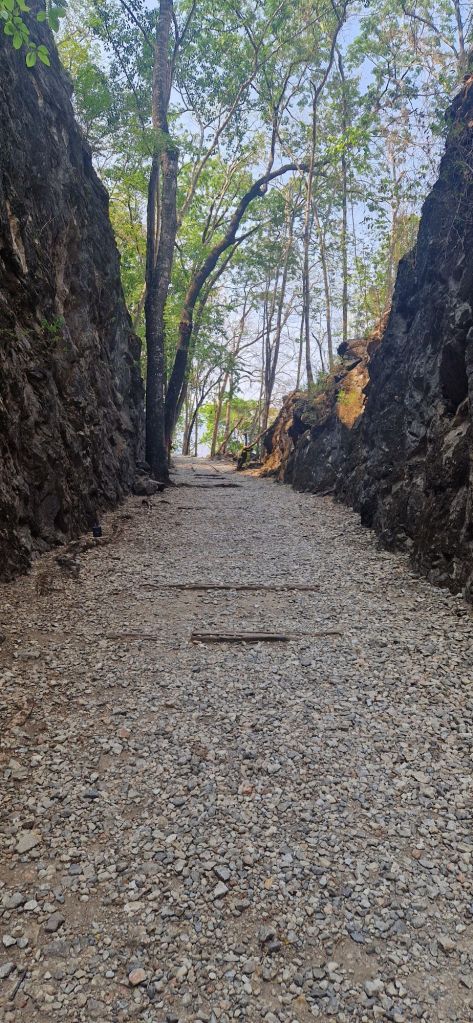


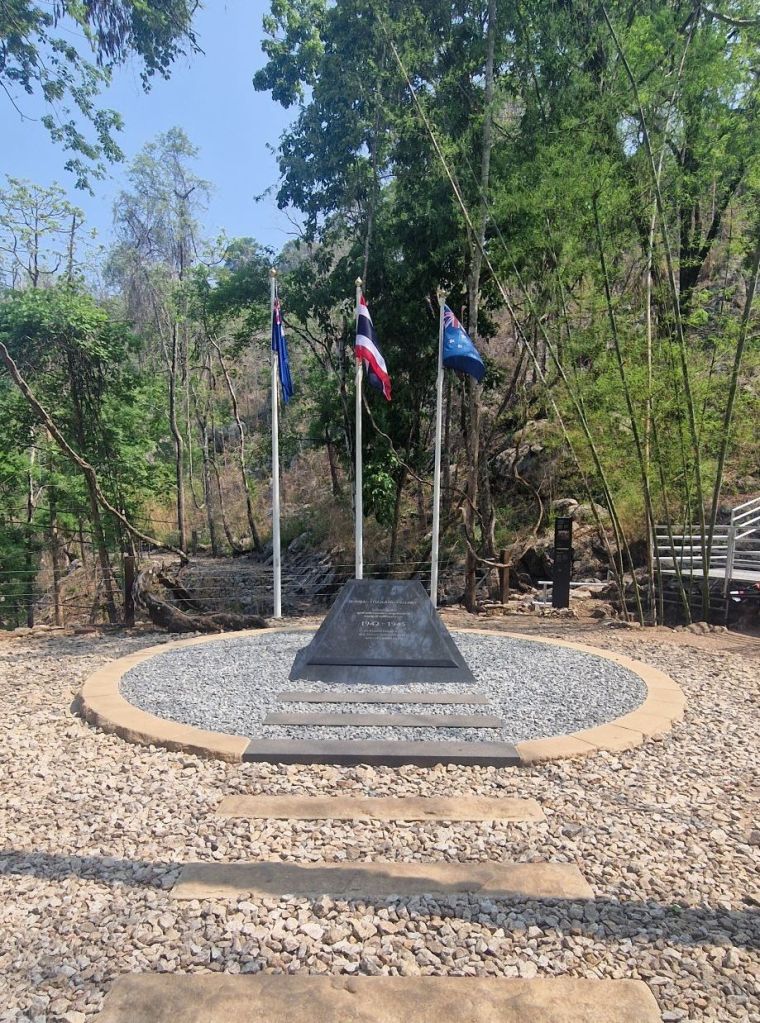
With a headset and two way radio, supplied by the reception I carried on walking past the memorial. Listening to genuine accounts of life as a POW. On the hours the two way radio crackled into life, a welfare check as the route can be hazardous.
Harrowing story after harrowing story, but what came through was the comradery amongst POW’s. “There’s no point moaning it does you no good, this was our lot” one said. But they all supported each other, even skipping work to hold a dieing man’s hand, knowing they would be punished.

I could go on and on, maybe I have! Now it was time to move on. I was in bed early and ready to go bright and early.

 Earth, Wind and Tyres